Treasury’s Reliance on Short-Term Debt “Exploded in Recent Years.” Whopping Bills and Bonds Issuance Coming. Leviticus 25 Plan: Watch Rates Plunge.

The Leviticus 25 Plan offers a perfect complement to a coming “regulatory change” in the Supplemental Leverage Ratio (SLR) for banks.

The massive private sector debt reduction generated under The Leviticus 25 Plan would lead to enormous cash inflows for banks. Regulatory change in the SLR would then allow banks greater access to the Treasury market. This dynamic would increase demand for Treasury’s, thereby stabilizing the Treasury market and the U.S. Dollar, and significantly pull down interest rates.

The Leviticus 25 Plan – the most powerful decentralizing economic acceleration plan in the world. There is no other competing plan anywhere in sight.

…………………………………………

Treasury’s Reliance on Short-Term Debt Exploded in Recent Years

The Bear Traps Report, Dec 20, 2024Excerpts:

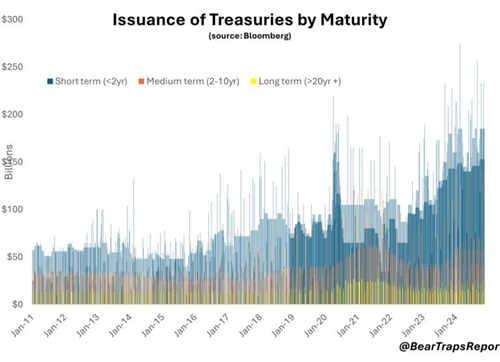
….We are witnessing a Covid era like spending in 2024 without a pandemic. The Treasury Department has come to rely on short-term bills to fund the government. But with $36Tr of debt, the Treasury has to issue bills almost every day to keep funding the government and to refund maturing debt.

  • *CBO data, Bloomberg. The average weighted coupon on the U.S. debt load is about 2.7% vs. over 4.5% for 10-year U.S. Treasuries. As bonds mature, they get refinanced at much higher yields.

$10Tr of Debt Refinancing Next Year – In 2024 Treasury faced around $10Tr of maturing debt. To refinance this debt, it issued a whopping $26Tr of bills and bonds. More than 84% of that paper was short-term bills with a maturity of 6 months or less. Treasury keeps re-issuing bills with a maturity of 4 to 8 weeks or 3,4 to 6 months, which are the most popular maturities in a continuing, ever-increasing roll down of the debt, day after day, month after month.

ALERT – By issuing nearly a colossal load of extremely short-term bills, Janet Yellen succeeded in suppressing bond volatility in an election year and, in our view, strategically placing that bond market volatility into 2025 after the election. You can “why” see above, she wanted LESS long-term paper in circulation markets in the election year.

Now, in 2025 – this paper has to be rolled over and termed out into longer-dated bonds. The USA is behaving like a financially trapped emerging market country. Living on the “front-end” of the yield curve is a VERY dangerous game.  

…..

Never, ever forget that 6% today is equivalent to the destructive capacity of 10% twenty years ago. Interest rates up, mean bond prices down. A 1% move in interest rates higher today is an entirely different, far more lethal equation.

Incoming Stress Points – In 2025 the U.S. Treasury faces $9.6Tr of maturities in their so-called publicly held debt. In Q1 alone — the government faces $5.58Tr of maturities (bonds coming due, redemption), but 86% of those are short-term bills that the Treasury department rolls over into new 4-week, 8-week, 3,4, or 6-month bills, among others. 

As a result, almost daily bill auctions are coming to a theater near you, as the Treasury Department mindlessly keeps pushing new paper into the market to pay back the colossal amount of maturing debt.

…..

One big bullish catalyst for treasuries would be a regulatory change to exempt treasuries from the Supplemental Leverage Ratio (SLR). It is unclear if and when this would be implemented, although Bessent was hinting at regulatory relief for banks to boost banks’ treasury holdings. Exempting treasuries allows banks to hold more Treasuries on their balance sheets without needing to hold additional capital against them, freeing up the capacity for banks to participate more actively in the Treasury market. Its unclear how much treasury demand that would create, but in 2021, when the temporary SLR exemption was reinstated after COVID, prime dealers reduced their Treasury holdings from $250bl to $125bl in 2 months. A change in the SLR ratio may come but is going to take months before the rules are changed. A phase-out of QT for treasuries would be a more immediate, albeit more modest, relief for the bond market. According to this timeline, the Fed will end up buying $100bl of treasuries in 2025, a big change from the $500bl of treasury sales in 2024.

_______________________________________

The Leviticus 25 Plan’s massive debt elimination plan will immediately:  1) Generate a series of annual Federal budget surpluses, along with State and Local government surpluses;  2) Reduce fraud and waste across many of government’s social insurance sectors;  3) Restore real financial security for millions of American families, rekindle the spirit of self-reliance, and scale back out-of-control entitlement spending;  4) And generate a long-term economic growth cycle that would benefit all Americans, and especially the 33.2 million small businesses across the U.S..

The Leviticus 25 Plan would generate a literal gusher of money flowing into the banking system, through a massive satisfaction of private sector debt (mortgage debt, student loan debt, household debt, auto loans, credit card debt). Banks would inevitably increase their competitive bidding activities at U.S. Treasury auctions – driving Treasury rates down via free market dynamics.

The Leviticus 25 Plan would allow the Fed to adjust interest rates a function as free market dynamics and price discovery dictated, rather than depending upon complex timing models amid political pressures.

Higher rates would allow savers to earn millions of dollars in additional interest. It would help curb interests in ‘fast money’ and speculation within the economy, and it would decrease the likelihood of new ‘bubbles’ popping up in financial markets.

The Leviticus 25 Plan will pay for itself entirely over a period of 10-15 years.

The Leviticus 25 Plan is loaded up and ready to launch.

……………………………………………..

“He who will not apply new remedies must expect new evils.” – Sir Francis Bacon

The Leviticus 25 Plan is a dynamic economic initiative providing direct liquidity benefits for American families, while at the same time scaling back the role of government in managing and controlling the affairs of citizens.  It is a comprehensive plan with long-term economic and social benefits for citizens and government.

The inspiration for this plan is based upon Biblical principles set forth in the Book of Leviticus, principles tendering direct economic liberties to the people.

The Leviticus 25 Plan – An Economic Acceleration Plan for America

$95,000 per U.S. citeizen – Leviticus 25 Plan 2026 (41920 downloads )
The Leviticus 25 Plan vs Fed’s 2008-2010 Secret Emergency Lending Programs

An important perspective, in light of the U.S. Treasury’s exploding budget deficits, economic stagnation, and financially-strapped working class Americans – and the Fed’s recently announced ‘QE Lite’ Reserve Management asset purchases…

A Look back…

The Federal Reserve’s ‘secret liquidity lifelines’ for major banks 2008-2010:

Bloomberg LP filed a Freedom of Information Act (FOIA) lawsuit on Nov 7, 2008 to gain access to information regarding special emergency lending programs that the U.S. Federal Reserve had been running to help borrower banks deal with cash shortages and collateral deficiencies. The Fed fought the lawsuit, but ultimately lost.

Bloomberg gained access to more than 29,000 pages of previously secret loan documents and Fed spreadsheets, and published the highlights of those programs in late 2011.
According to Bloomberg, the top 15 recipients of Fed’s ‘secret liquidity lifelines’ were the very firms that in large part precipitated the great financial crisis with their subprime lending gambits and insufficient risk management strategies:

Morgan Stanley $107 billion
Citigroup Inc. $99.5 billion
Bank of America Corp $91.4 billion
Royal Bank of Scotland Plc $84.5 billion
State Street Corp $77.8 billion
UBS AG $77.2 billion
Goldman Sachs Group Inc. $69 billion
JP Morgan Chase & Co $68.6 billion
Deutsche Bank AG $66 billion
Barclays Plc $64.9 billion
Merrill Lynch & Co Inc. $62.1 billion
Credit Suisse Group AG $60.8 billion
Dexia SA $58.5 billion
Wachovia $50 billion

………………………………………………………………………..

The Fed ‘flooded’ the financial coffers of these major U.S. and foreign banks (with U.S subsidiaries) with trillions of dollars in direct cash transfers, credit guarantees, and balance sheet transfers of (often ‘sewage grade’) agency debt and MBS – and the principles of those institutions ended up making out very well.

None of them took a haircut

Meanwhile, U.S citizens out in Main Street America did not fare so well… There were severe financial dislocations.

8.7 million Americans lost their jobs during the financial crisis years.

4.1 million American families lost their homes through completed foreclosures from September 2008 through December 2012, according to CoreLogic.

___________________________________

It is now perfectly evident, here in ‘Round 2,’ that the Fed’s massive 2008-2010 liquidity transfers to Wall Street’s financial sector did not secure any measure of long-term financial security for America.

Long-term financial security will be a reality only when the foundation of our economy, U.S. citizens themselves – those at ‘ground level’ who make the economy work – is financially sound.

It is entirely within our power to secure America’s foundation for the future. It must come through through massive ‘ground level’ debt elimination, extraordinary reductions in dependence on government, healthy and durable economic growth, an unprecedented reduction in the debt profile of federal, state and local government entities, and economic liberty for all Americans..

Main Street America Republicans have a plan to correct these ongoing financial security issues and get America back on track.

The Leviticus 25 Plan is a dynamic economic initiative providing direct liquidity benefits for American families, while at the same time scaling back the role of government in managing and controlling the affairs of citizens.  It is a comprehensive plan with long-term economic and social benefits for citizens and government.

The inspiration for this plan is based upon Biblical principles set forth in the Book of Leviticus, principles tendering direct economic liberties to the people.

The Leviticus 25 Plan – An Economic Acceleration Plan for America

$95,000 per U.S. citizen – Leviticus 25 Plan 2026 (41917 downloads )

America’s Financial Woes – A Perfect Opening for ‘Quantitative Re-targeting” (QR)…

Headlines…

US Businesses Are Going Bankrupt At An Absolutely Blistering Pace

Our society is changing at a pace that is difficult to comprehend…  DEC 5, 2025

……….

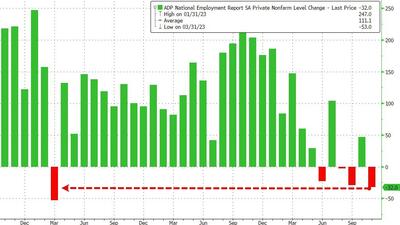
Small Business Job Losses Soar In November; ADP

That is the biggest monthly job loss since March 2023DEC 3, 2023

……………

Food Banks All Over The US Are Being Overwhelmed By A Tsunami Of Hungry People …experiencing a dramatic spike in demand “long before the shutdown ever happened”…  NOV 7, 2025

……………

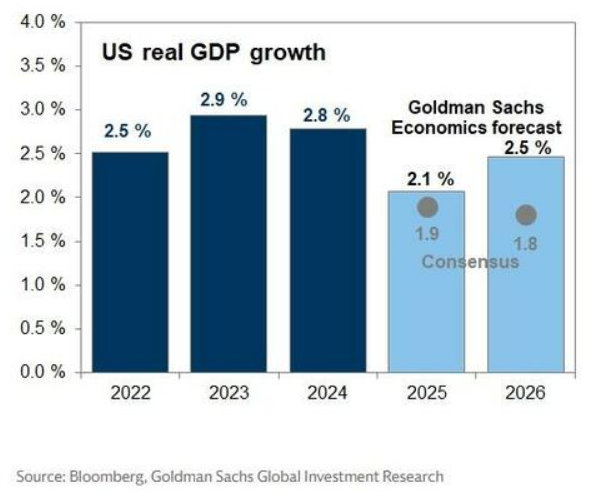
Stagnation …

Also note: lower GDP growth means lower Treasury receipts, lower payroll tax revenues and more stress on the Medicare and Social Security Trust Funds…

………………..

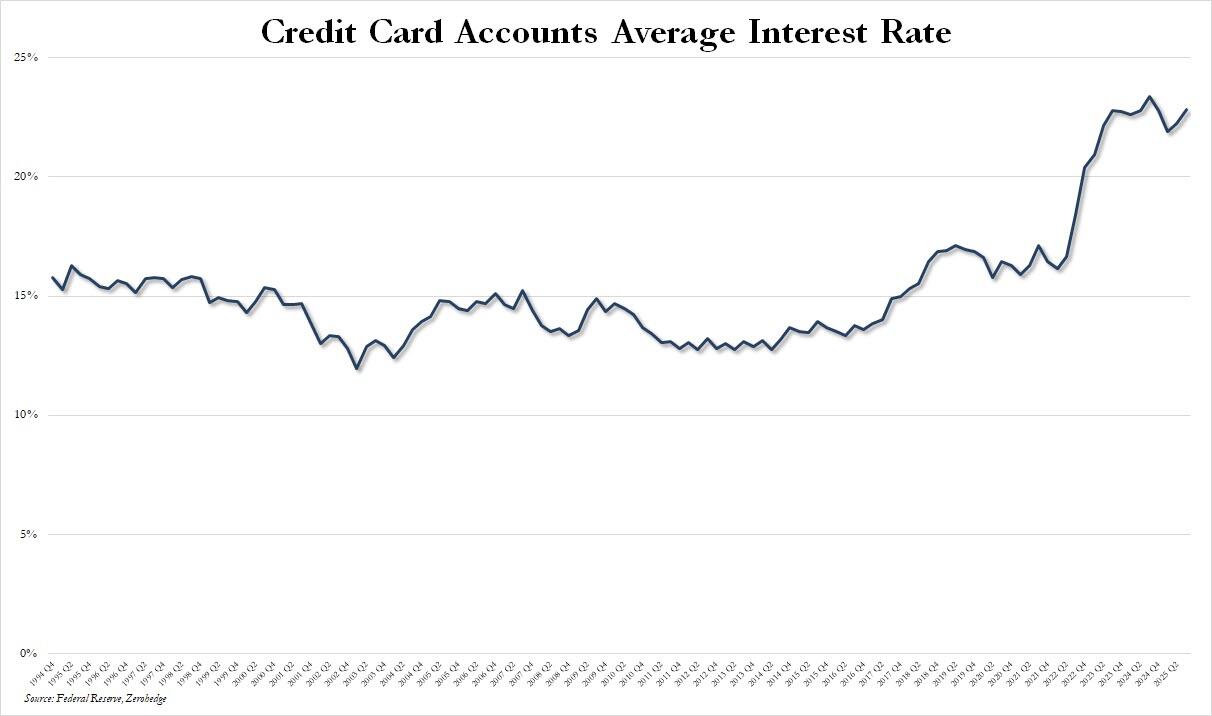
Federal Reserve’s latest consumer credit report (G.19):

Finally… banks continue to bleed US consumers dry: at the start of 2025 the average rate on credit card accounts was 22.80%… and on Sept 30 the number was higher at 22.83%, just barely below the all time high of 23.37% set one year ago.

_____________________________________

The Leviticus 25 Plan solution

Quantitative Easing (QE) is a Fed monetary tool used to restore liquidity in a troubled banking system, as when banks fall below their capital requirements through practices like loading up balance sheets with sewage-grade subprime debt delivered up the line from the mortgage broker casino system, aided and abetted by fake AAA credit ratings on their bundled security packages, topped off with gross incompetence / ignorance in properly assessing counter-party risk in their hedging strategies.

The Great Financial crisis (2007–2009) which followed “created the largest economic upheaval in the United States since the Great Depression of the 1930s… At eighteen months, from December 2007 to June 2009, it exceeded the sixteen-month recessions of 1973–1975 and 1981–1982; the average period from peak to trough of post–World War II recessions was 11.1 months… both GDP and number of jobs declined by about 6 percent and median family incomes declined by about 8 percent. The Great Recession was particularly worthy of its name because of the protracted slump in employment that followed even after the recession was officially over, as assessed on the basis of the dating procedure of the National Bureau of Economic Research.1

By some estimates, over 30 million working Americans lost their jobs; over 3.8 million families lost their homes.

QE has done nothing to reduce public and private debt, or restore financial security for millions of American families or strengthen our country’s economic system.

It is now time for a major reset involving a Fed-Treasury Quantitative Re-targeting (QR) facility – with direct liquidity flows to all of America’s hard-working, tax-paying U.S. citizens who qualify and wish to participate.

The Leviticus 25 Plan is a dynamic economic initiative providing direct liquidity benefits for American families, while at the same time scaling back the role of government in managing and controlling the affairs of citizens.  It is a comprehensive plan with long-term economic and social benefits for citizens and government.

The inspiration for this plan is based upon Biblical principles set forth in the Book of Leviticus, principles tendering direct economic liberties to the people.

The Leviticus 25 Plan – An Economic Acceleration Plan for America

$95,000 per U.S. citizen – Leviticus 25 Plan 2026 (41141 downloads )

Next Government Shutdown Showdown on the Horizon – January 30, 2026

Main Street America Republicans have the plan to end America’s mushrooming budget deficits, restore financial security for millions of American families, and rejuvenate free market dynamics and reignite a legitimate long-term economic growth cycle.

It is a plan which will put an end, once and for all, to Congress’ divisive budget charades and debt-exploding, economy-ravaging outcomes.

“You never change things by fighting the existing reality. To change something, build a new model that makes the existing model obsolete. –R. Buckminster Fuller

…………………………………………

Politico: The next shutdown threat is around the corner

Most of the federal government will continue running on autopilot through Jan. 30, setting up another showdown.

By Jennifer Scholtes, Katherine Tully-McManus and Jordain Carney

Published Nov 13, 2025 – Excerpts:

The longest shutdown in U.S. history is ending. Yet Congress’ most onerous government funding work remains unfinished — setting up a potential repeat early next year.

The bipartisan deal to end the funding lapse includes a long-term agreement on just three of the dozen bills lawmakers need to finish each year to keep cash flowing to federal programs. And those three measures are some of the easiest to rally around — including money for veterans programs, food aid, assistance for farmers and the operations of Congress itself.

Together, they represent only about 10 percent of the roughly $1.8 trillion Congress doles out each year to federal agencies. Under the deal, everything else is funded on a temporary basis through Jan. 30 at levels first set by Congress in March 2024, when Joe Biden was president.

That leaves behind major open decisions about the vast majority of discretionary dollars — including for the military and public health programs — along with the stickiest policy issues. It doesn’t help that House and Senate leaders still haven’t agreed on an overall total for fiscal 2026 spending, amid GOP divisions over how deeply to cut.

House Majority Leader Steve Scalise acknowledged this month that the hardest part of the funding negotiations is ahead after President Donald Trump signs the current deal to end the shutdown.

“We’ve got to just find a resolution to get the lights back on,” Scalise said. “But the real negotiation is going to be: Can we get an agreement on how to properly fund the government with individual appropriations bills, packages of appropriations bills?”

If lawmakers don’t figure it all out by the new January deadline, Congress risks another partial shutdown or running most of the federal government on what are essentially two-year-old budgets. Some Democrats are already hinting they are willing to shut down the government again without a deal on Affordable Care Act insurance subsidies that expire at the end of this year.

Compounding the challenge are fears that partisan strife during the six-week shutdown will only complicate the already-grueling task of striking a cross-party compromise.

In the Senate, leaders have committed to quickly advancing more funding measures. Majority Leader John Thune said senators would be “off to the races” on a second package of spending measures when the chamber gavels back in Tuesday.

Up to five bills are under consideration for inclusion in that package, covering funding for the military and the departments of Education, Commerce, Labor, Health and Human Services, Justice, Transportation, Interior and Housing and Urban Development.

Getting that done will be hard enough. All 100 senators would have to consent to quickly assemble the bills on the floor, likely followed by weeks of debate before a vote on passage. Then top Senate appropriators would need to strike a compromise with their House counterparts.

But the remaining spending bills will be even tougher. Four are so divisive that Senate appropriators didn’t even approve them in committee this summer. Lawmakers in both parties agree it is likely that agencies covered under that slate — among them the departments of Energy, Homeland Security, State and Treasury, including the IRS — will eventually be funded through a stopgap that spans through next September.

Democrats warn that any partisan demands from Trump or hard-liners in the House could deadlock the effort to reach agreements on the nine bills left….

____________________________________

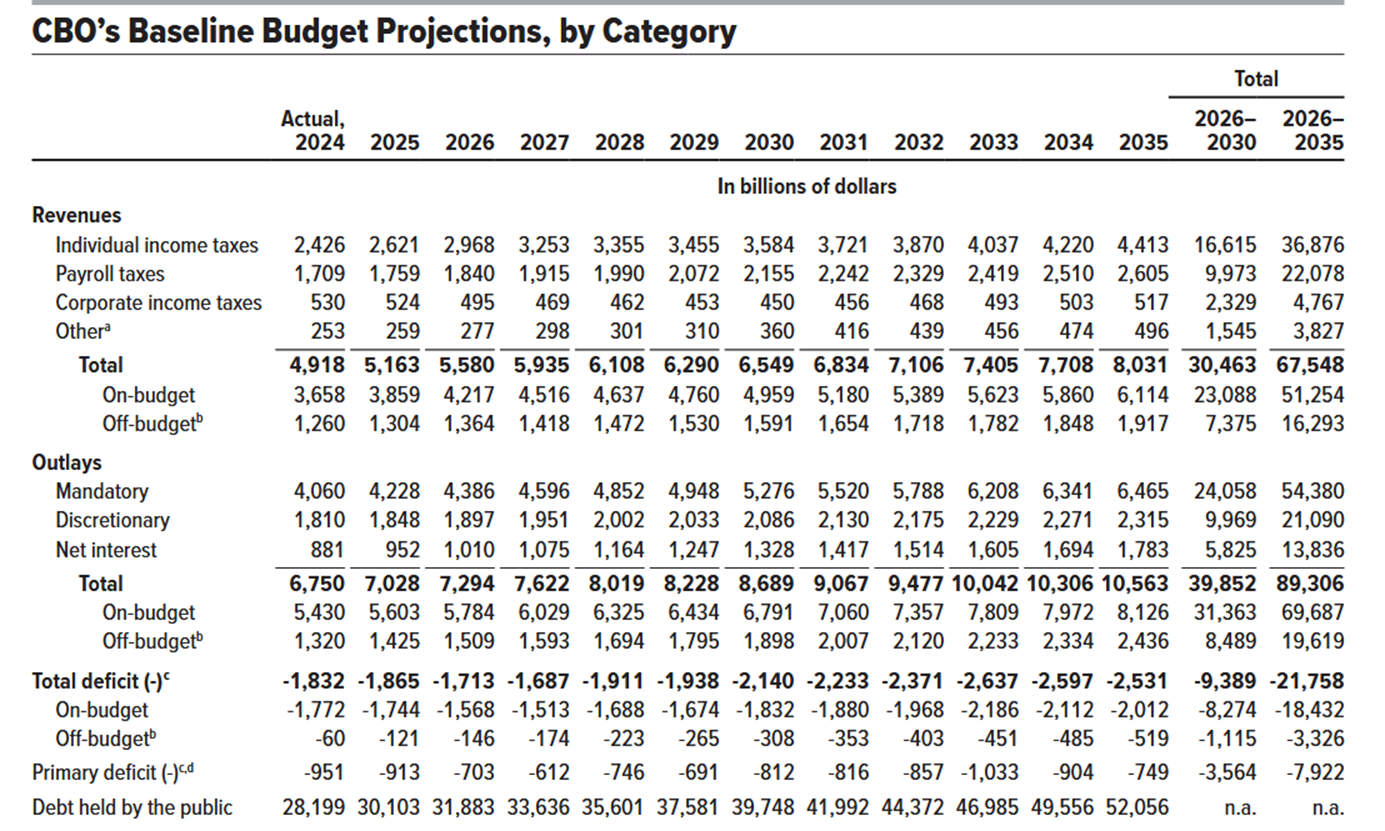
One thing is for certain as January 30th approaches: contentious and toxic political wrangling over the budget bills. And budget deficits ranging from $1.713 trillion (2026) to $2.531 trillion (2035).

The Leviticus 25 Plan has the vision and the power to overturn the “existing reality” and replace it with “a new model that makes the existing model obsolete.”

The Leviticus 25 Plan is a dynamic economic initiative providing direct liquidity benefits for American families, while at the same time scaling back the role of government in managing and controlling the affairs of citizens.  It is a comprehensive plan with long-term economic and social benefits for citizens and government.

The inspiration for this plan is based upon Biblical principles set forth in the Book of Leviticus, principles tendering direct economic liberties to the people.

The Leviticus 25 Plan – An Economic Acceleration Plan for America
$95,000 per U.S. citizen – Leviticus 25 Plan 2026 (41119 downloads )

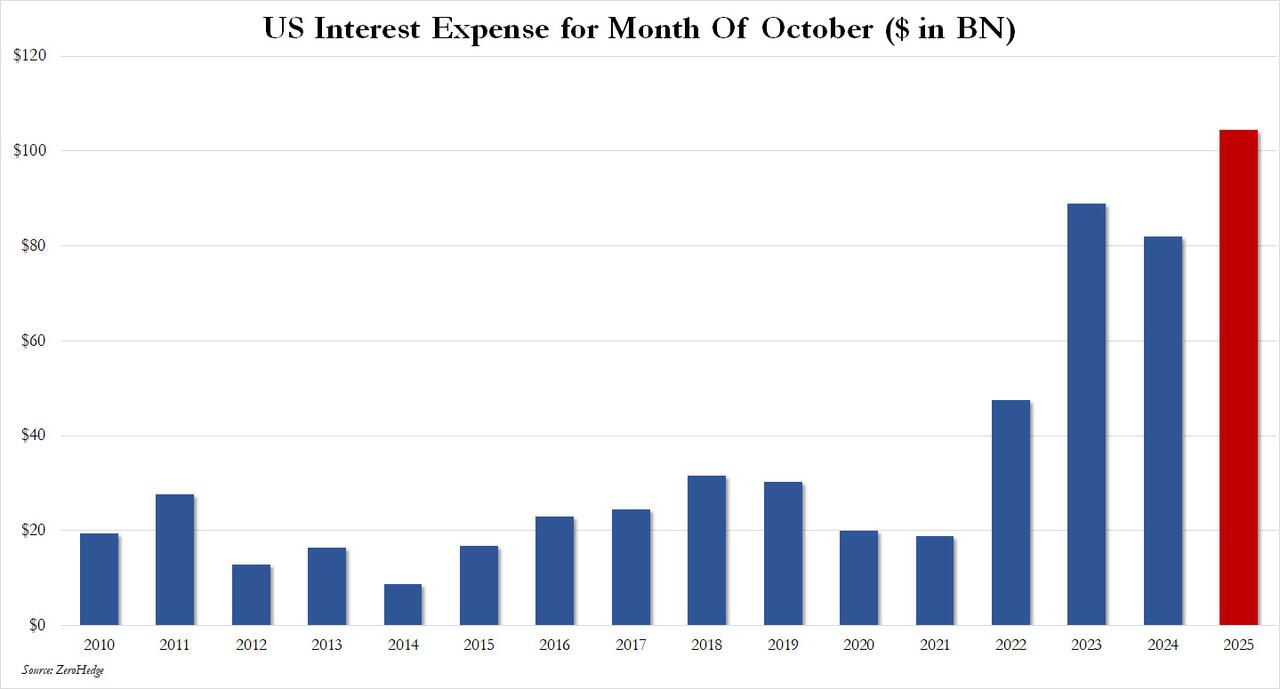
U.S. Starts Fiscal 2025 With $284.4 Billion October Deficit, Gross Interest Expense of $104.4 Billion – Highest on Record

Game Over DOGE: US Starts Fiscal 2025 With Record Budget Deficit, Shocking Interest Expense

ZeroHedge, Nov 25, 2025

Excerpts:

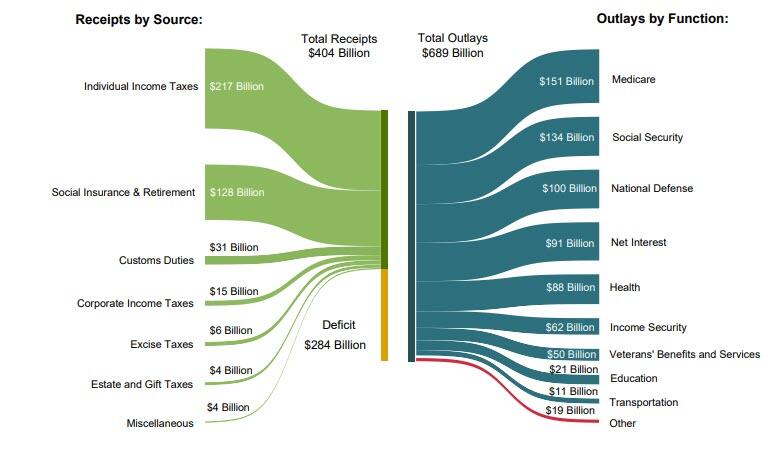
…..Earlier today, the Treasury published the October budget data, and it was ugly. Not all of it, mind you: tax receipts were actually quite solid: at $404 billion, consisting of $217 billion in income taxes and $128 billion in social security receipts…

… government revenues were actually a solid 23.7% improvement to the $326.8 billion collected in October 2024. Of course, that includes the now solid monthly contribution from Trump’s tariffs which in October added $31 billion to the tally.

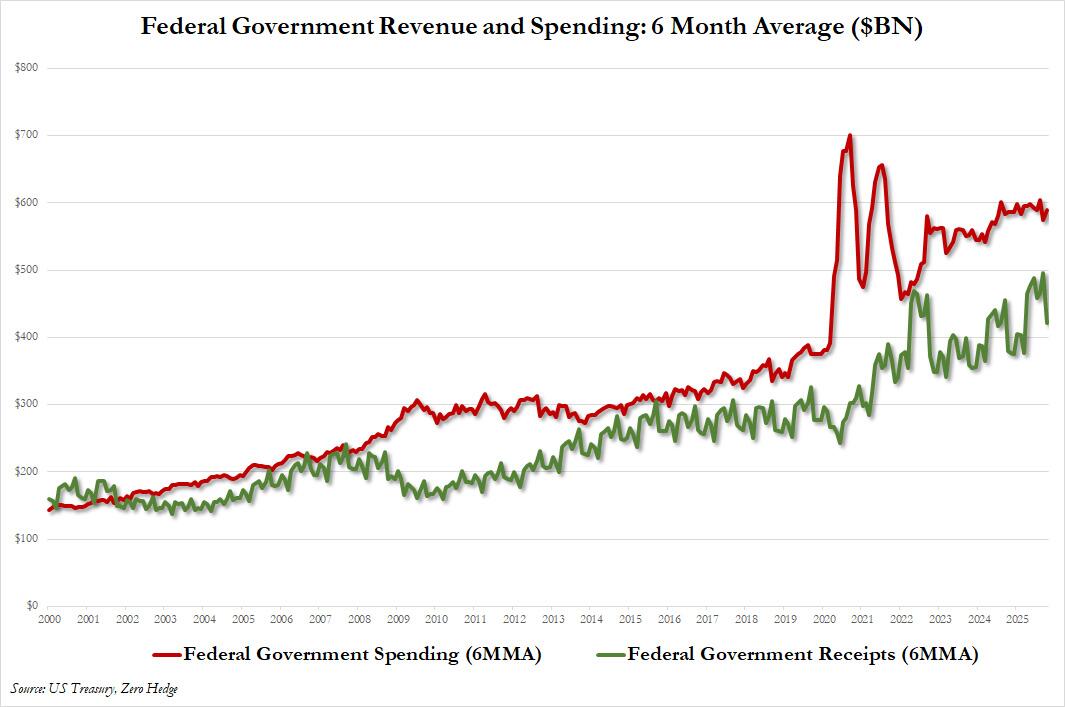
As usual, it was government spending that was the problem again, and at $688.7 billion, or over $22 billion per day, the October total was a 17.9% jump compared to the $584.2 billion spent a year prior. And just when the US was making some modest progress on merging the red (spending) and green (revenue) lines.

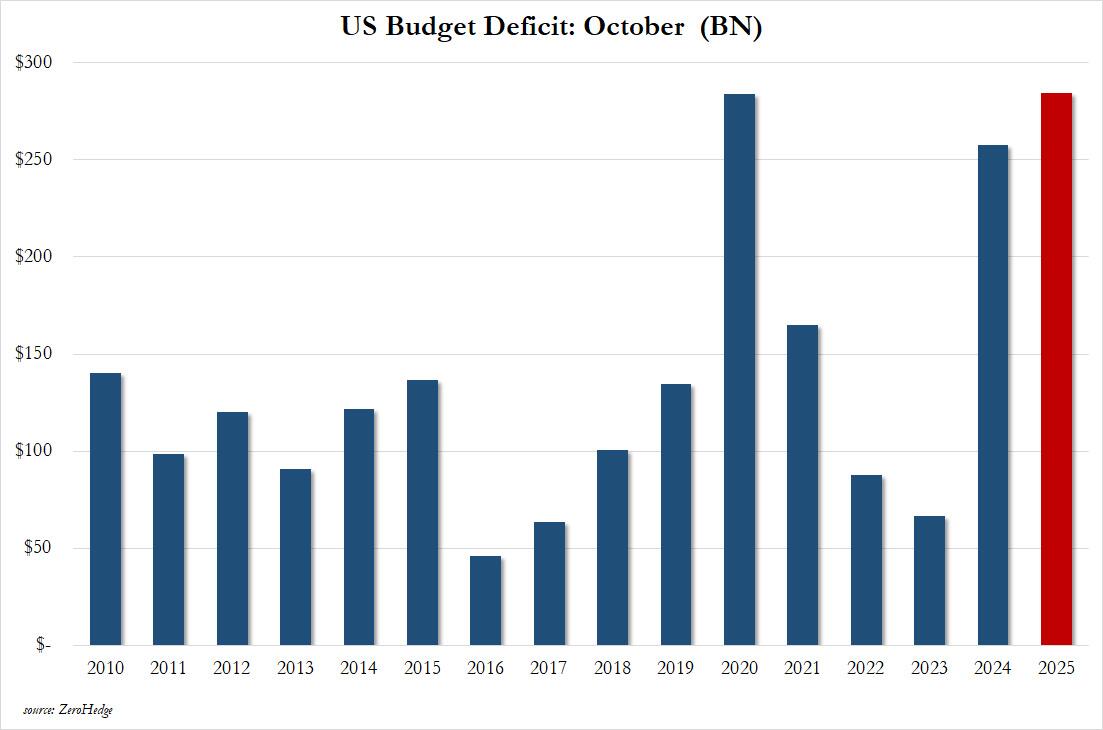
The combination of these two numbers resulted in a $284.4 billion deficit for the month of October, which was not only higher than the $257.5 billion deficit last October, but also higher than the record Covid budget buster of $284.1 billion in October 2020

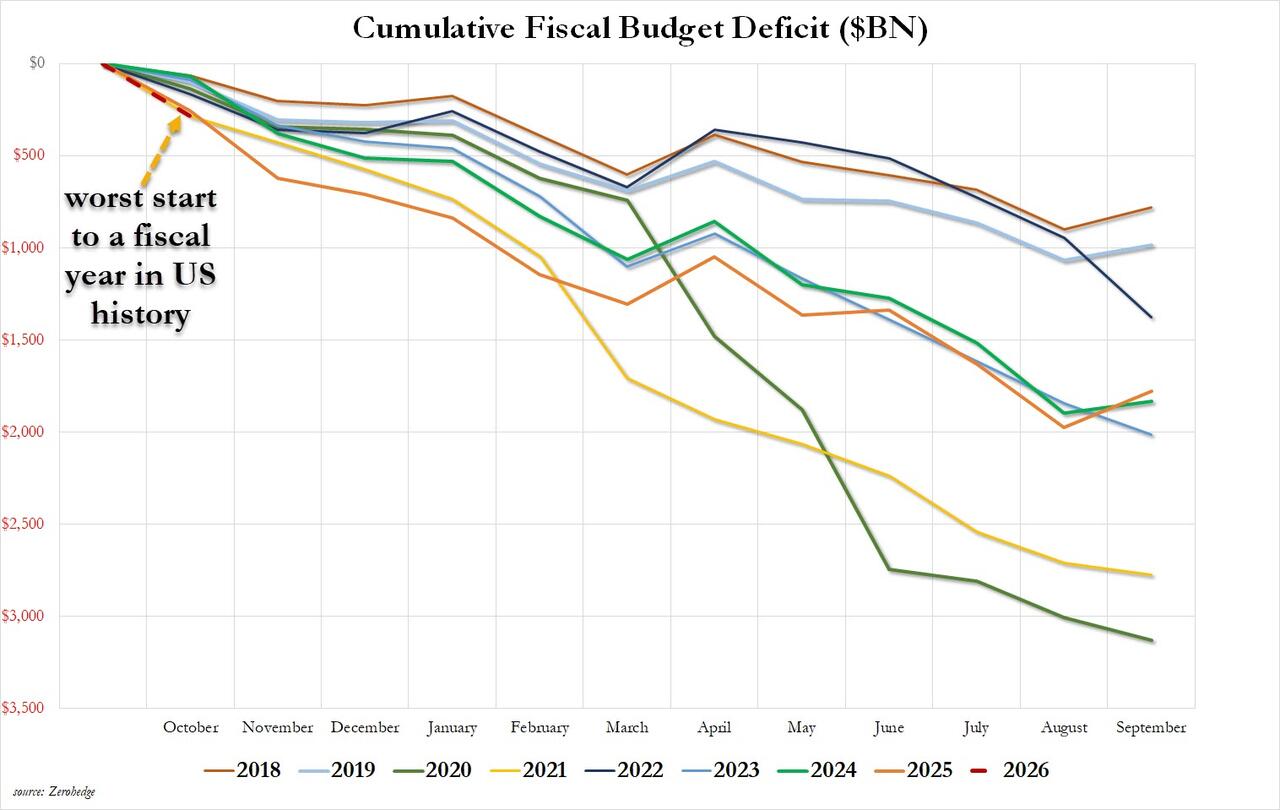
And since we are now (only) one month in fiscal 2026, we now have the worst budget-deficit start to a fiscal year in US history.

In other words, no matter what the official line is, DOGE has left the building. 

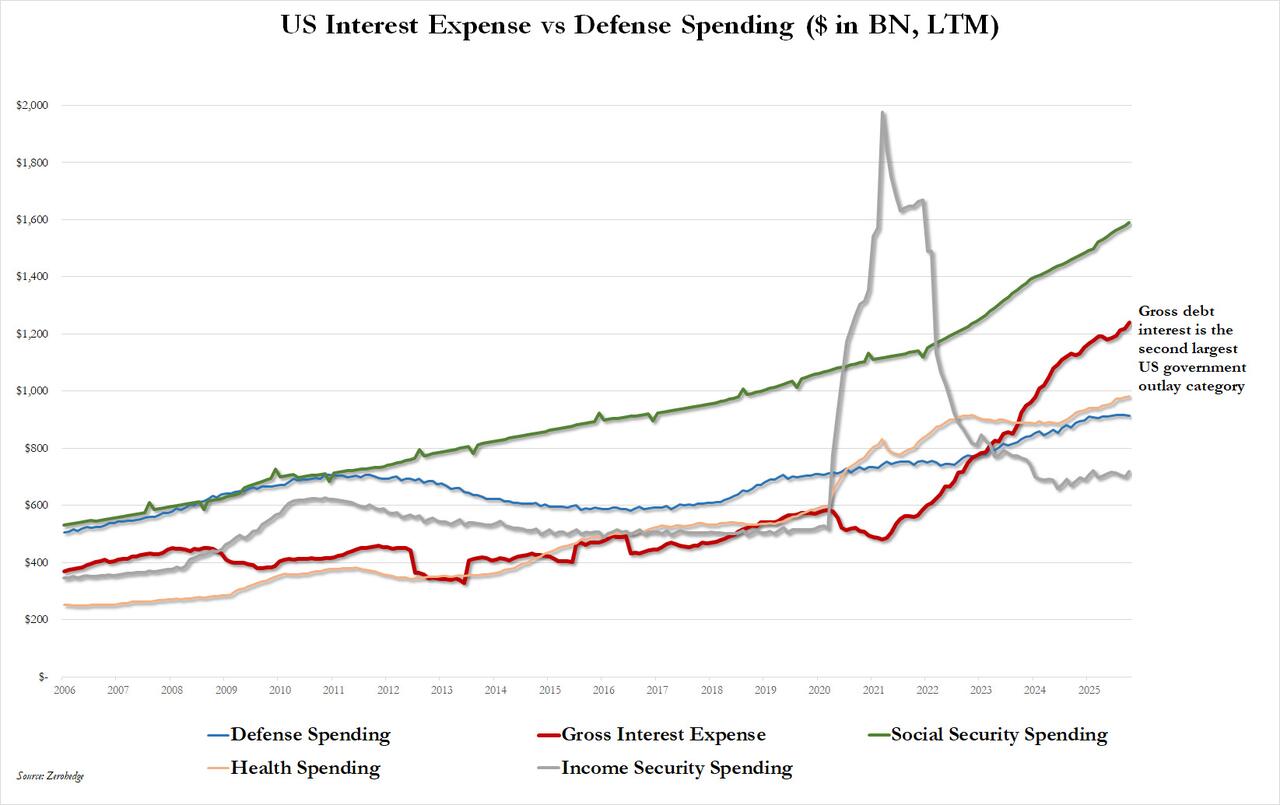
Taking a closer look at the causes of the October budget-busting deficit reveals the same usual suspects: spending across all major categories increased in October, but the most dramatic one was once again the relentless surge in the gross US interest, which is now a record $1.24 trillion in the last twelve months, and is rapidly approaching social security ($1.589 trillion LTM) as the largest source of government spending. 

And here is the punchline: October gross interest was a record $104.4 billion, the highest for the month on record…

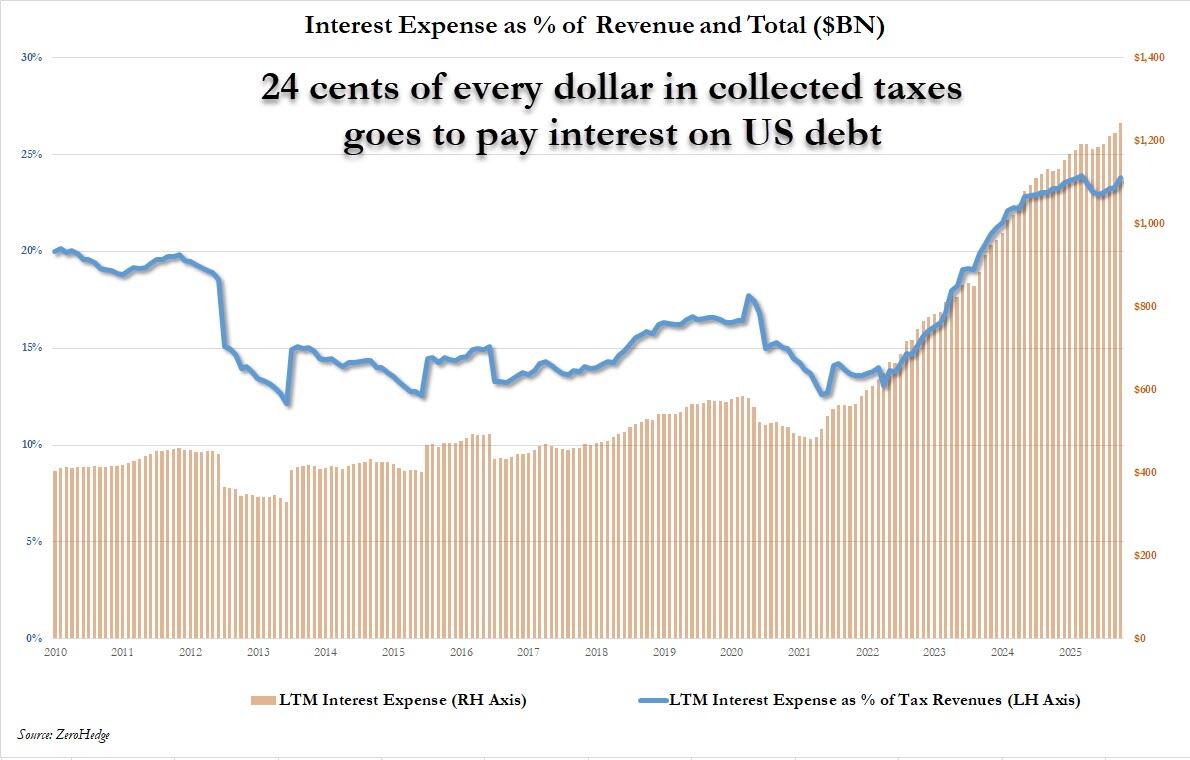
… and at $1.24 trillion in LTM interest expense, it means that 24 cents of every dollar in collected taxes goes to pay interest on the debt. 

Bottom line: after a brief period of irrational hope in early 2025 when Musk’s obsession with DOGE and cutting spending gave the US some hope that there just may some – very painful – way out of this Minsky Moment, we are not only back at square zero one and back on the fast-track to the debt-death of the United States, but the US fiscal picture has never been worse!

No wonder why in a recent public commentary, Musk fully agrees with us: the government is unfixable.

___________________________________________

Mr. Musk is wrong. “Government,” and America’s fiscal failures are indeed “fixable.’

The Leviticus 25 Plan is a dynamic economic initiative providing direct liquidity benefits for American families, while at the same time scaling back the role of government in managing and controlling the affairs of citizens.  It is a comprehensive plan with long-term economic and social benefits for citizens and government.

The inspiration for this plan is based upon Biblical principles set forth in the Book of Leviticus, principles tendering direct economic liberties to the people.

The Leviticus 25 Plan – An Economic Acceleration Plan for America

$95,000 per U.S. citizen – Leviticus 25 Plan 2026 (40947 downloads )