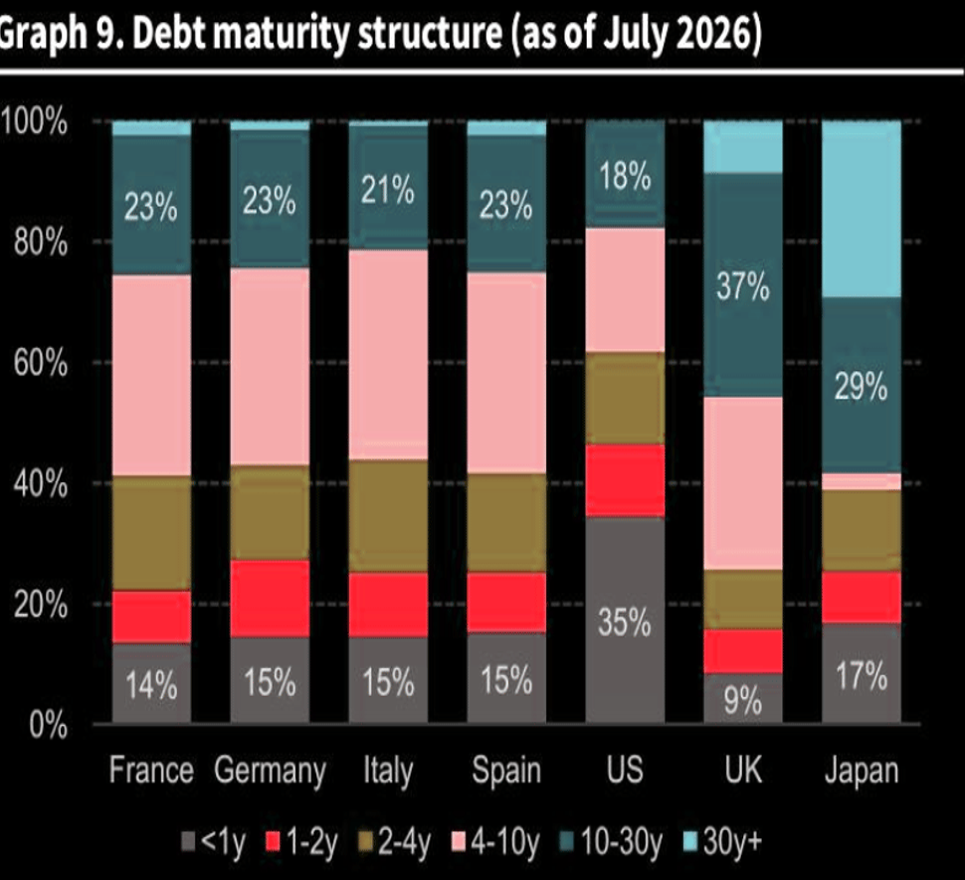
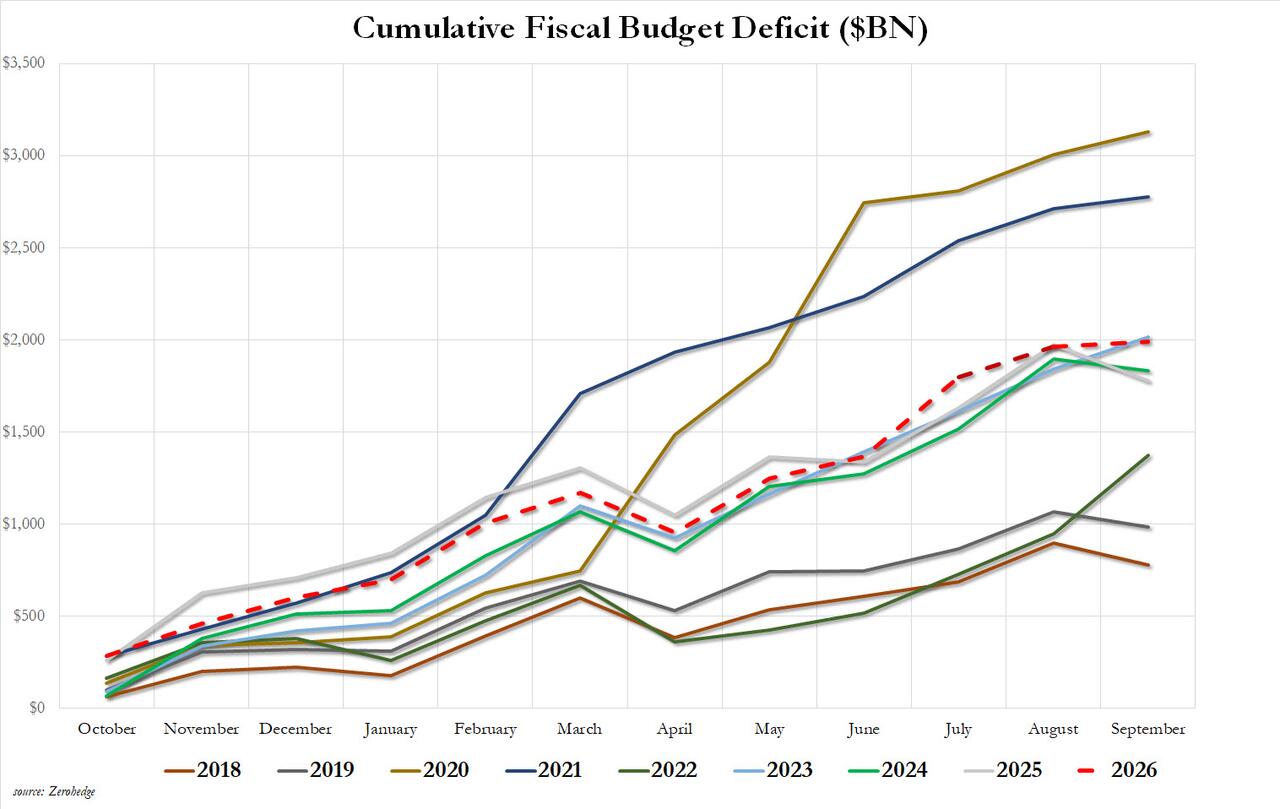
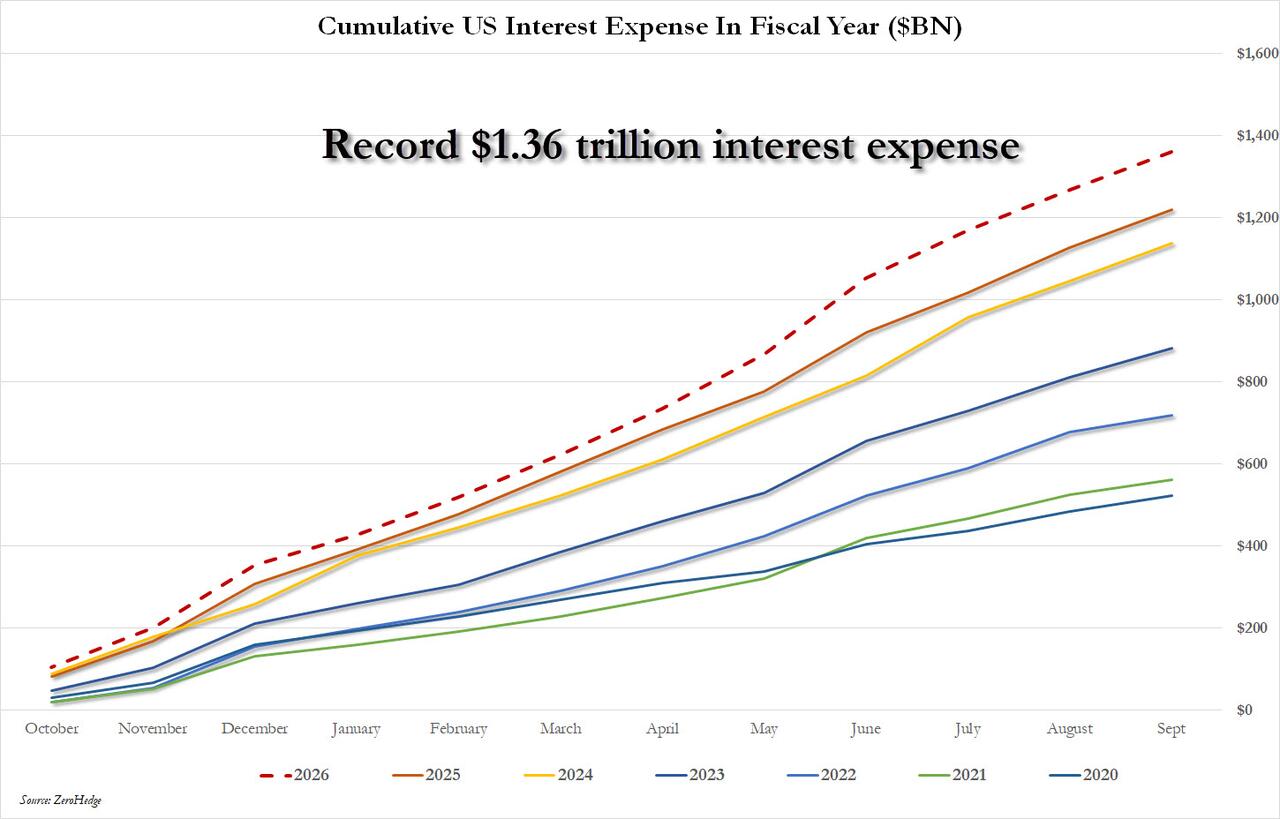
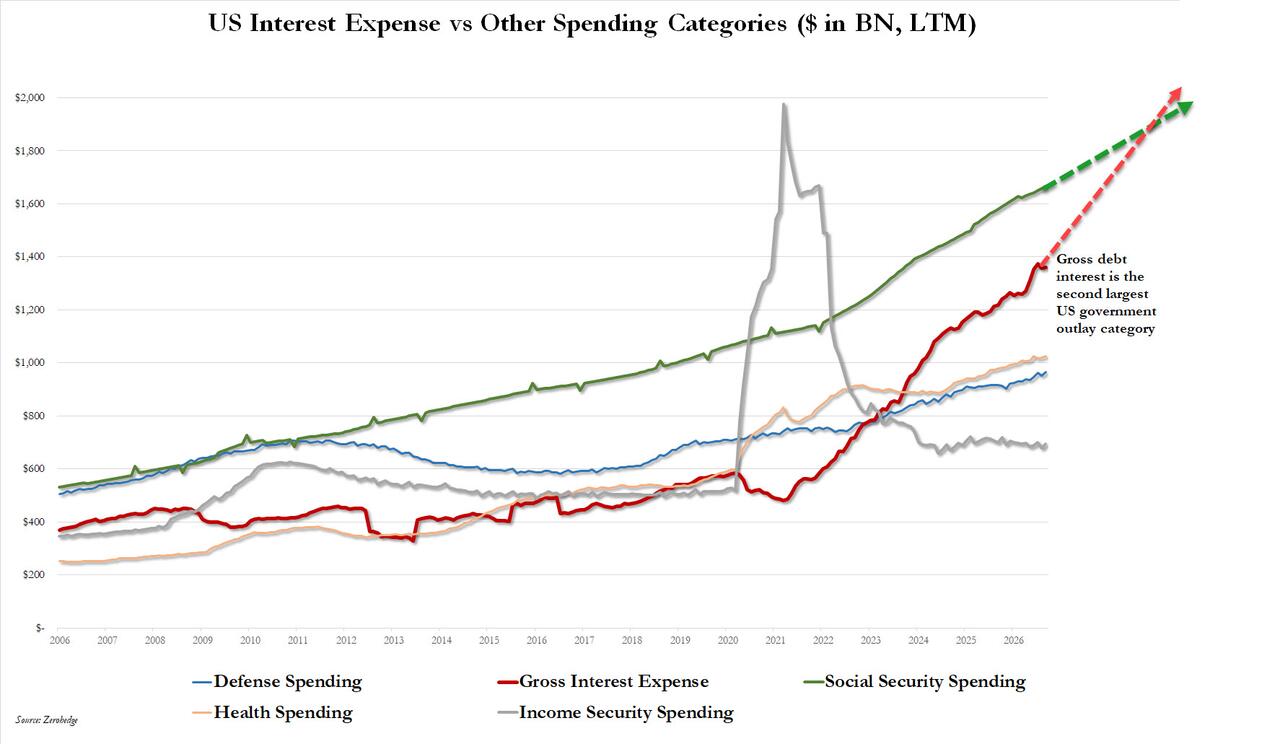
The Leviticus 25 Plan

Featured

“He who will not apply new remedies must expect new evils.” – Sir Francis Bacon

The Leviticus 25 Plan is a dynamic economic initiative providing direct liquidity benefits for American families, while at the same time scaling back the role of government in managing and controlling the affairs of citizens.  It is a comprehensive plan with long-term economic and social benefits for citizens and government.

The inspiration for this plan is based upon Biblical principles set forth in the Book of Leviticus, principles tendering direct economic liberties to the people.

The Leviticus 25 Plan – An Economic Acceleration Plan for America

Leviticus 25 Plan 2027 (47242 downloads )

____________________________________________________

March 2026 quote:  “I care little for the government which presides at Washington, in comparison with the government which rules the millions of American homes.
No administration can seriously harm us if our home life is pure, frugal, and godly.
No statesmanship or legislation can save us, if once our homes become the abode
of profligacy.” -T. L. Cuyler


Q4 2025 Household Debt and Credit Balances Rise to $18.8 Trillion. Delinquency Rates Turn Sharply Higher.

US Consumer Debt Delinquencies Soar To Highest Since 2017 While Office Delinquencies Hit Record High

ZeroHedge, Feb 10, 2026 – Excerpts:

It will come as a surprise to exactly nobody that the Fed’s latest quarterly Household Debt and Credit report (for Q4 2025) reported total household debt balances increased by $191 billion in the fourth quarter of 2025, a 1% rise from 2025 Q3, to a new all-time high. Balances now stand at $18.8 trillion and have increased by $4.6 trillion since the end of 2019, just before the pandemic recession. 

This is how various debt balances changed through the quarter: 

  • Mortgage balances shown on consumer credit reports grew by $98 billion during the fourth quarter of 2025 and totaled $13.17 trillion at the end of December.
  • Balances on home equity lines of credit (HELOC) rose by $12 billion, the 15th consecutive quarterly increase.There is now $433 billion in outstanding HELOC balances, $116 billion above the low reached in 2022Q1. In total, non-housing balances increased by $81 billion, a 1.6% increase from 2025Q3.
  • Credit card balances rose by $44 billion during the fourth quarter and now total $1.28 trillion outstanding, up 5.5% since last year.
  • Student loan balances increased by $11 billion and now stand at $1.66 trillion.
  • Auto loan balances edged up by $12 billion to $1.66 trillion.
  • Other balances, which include retail cards and consumer finance loans, rose by $14 billion and now total $564 billion.

New debt originations were also solid in the quarter:

  • The volume of mortgage originations, which includes both refinance and purchase originations, increased with $524 billion newly originated in 2025 Q4, an uptick from the $512 billion seen in the previous quarter. It was the highest since 2022 when rates were far lower. 

…..

Taking a closer look at some of the negative changes below the surface, delinquency rates on loans ranging from mortgages to credit cards rose to 4.8% of all outstanding US household debt in the fourth quarter, up 0.3% sine Q3 2025 and the highest level since 2017, driven by higher defaults among low-income and young borrowers.

As Bloomberg notes, while the overall share of loans in some stage of default is near pre-pandemic averages, the rise in delinquencies among the lowest earners adds to evidence of an increasingly K-shaped economy, and nowhere was it more obvious than in the case of student loans – where with the Biden repayment moratorium has been over for the past year – we have seen a tsunami of both early delinquencies, with 16.3% of student-loan debt became delinquent in Q4 the biggest increase on record in data going back to 2004…

______________________________________

The Leviticus 25 Plan will be especially beneficial in substantially reducing, and in millions of cases eliminating student loan debt.

It will eliminate vast amounts of auto loan debt, credit card debt, and consumer loan debt. It will allow millions of working American families to substantially pay down, or pay off, trillions of dollars in mortgage debt.

The Leviticus 25 Plan is the most powerful, debt-busting economic acceleration plan anywhere in the world.

The Leviticus 25 Plan – An Economic Acceleration Plan for America

$95,000 per U.S. citizen – Leviticus 25 Plan 2027 (47205 downloads )

Federal Deficit Hits $1 Trillion Mark Five Months into FY2026. Main Street America Republicans Have the Only Plan to Resolve this Fiscal Crisis and Get America Back on Track.

“He who will not apply new remedies must expect new evils.” – Sir Francis Bacon

………………………………………..

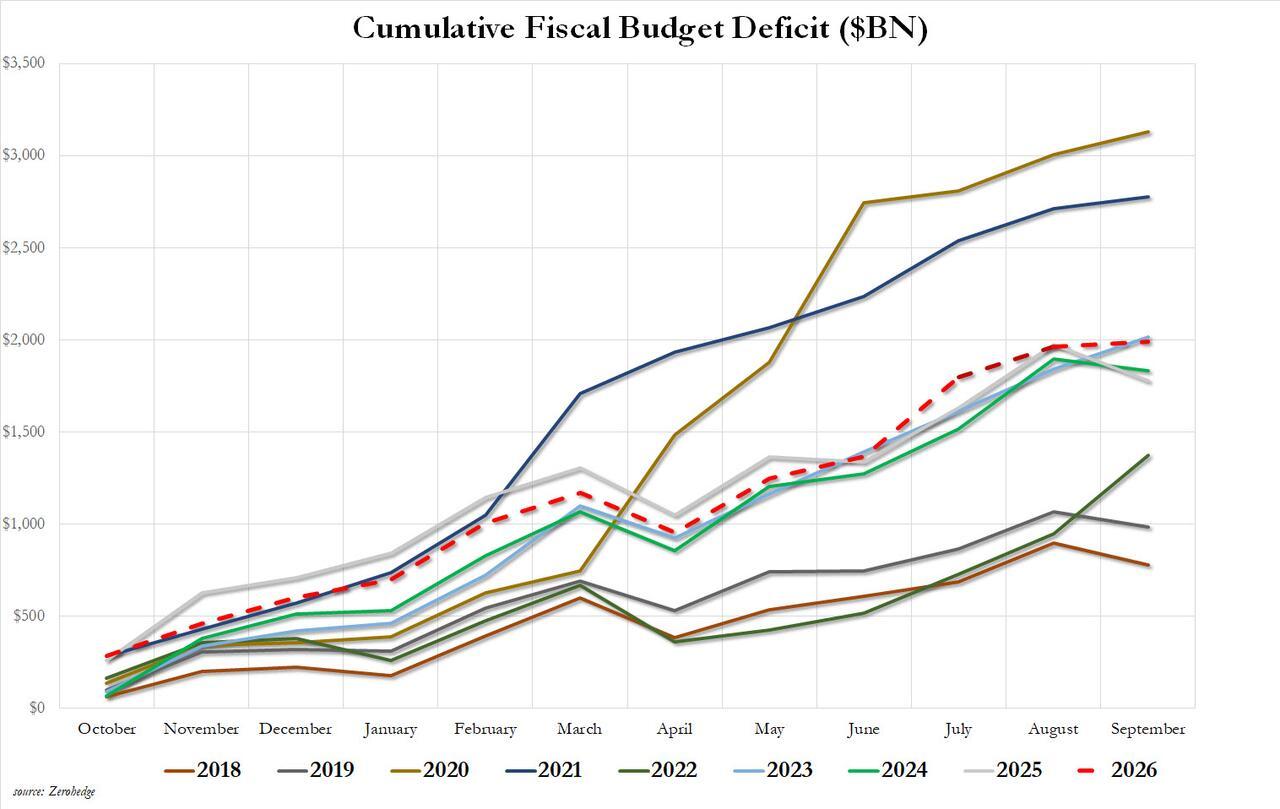
Federal deficit totaled $1 trillion in beginning of FY2026, CBO says

By Andrew Rice | The Center Square

Mar 9, 2026

(The Center Square) – The United States federal budget deficit totaled $1 trillion in the first five months of fiscal year 2026, according to the Congressional Budget Office.

The latest federal deficit estimate is $142 billion less than the deficit from this time in the previous fiscal year. The CBO saw tariffs raise the amount of money that came into the federal government during the first five months of the fiscal year.

The CBO estimated the government brought in $2.1 trillion in the first five months of the fiscal year, roughly $206 billion more than the same time period last fiscal year.

Maya McGuineas, president of the Committee for a Responsible Federal Budget, called on Congress to decrease federal spending deficits.

“Another month of this fiscal year means another month of borrowing,” McGuineas said. “This cannot be sustainable.”

Collection of customs duties, or money received from tariffs, increased by $109 billion in the first five months of fiscal 2026 compared to the previous fiscal year.

Payments received by corporate income taxes decreased by $33 billion in fiscal year 2026. The government also received a $77 billion increase from income and payroll taxes and a $52 billion increase in withholdings from paychecks.

The government spent $3.1 trillion in the first five months of fiscal year 2026, a $64 billion increase from the same time period last fiscal year.

Spending on Social Security, Medicare and Medicaid made up the largest portions of government expenditures over the last five months. Social Security benefits spending rose by $48 billion, in part due to the enactment of the Social Security Fairness Act that increased payments for certain recipients, beginning in March 2025.

Medicare payments increased by $34 billion, which included a $16 billion settlement for Part D prescription drug plans in November 2025. Medicaid payments increased by $22 billion, due to rising enrollment costs.

February in particular saw a substantial increase in the deficit compared to the same period last year. The federal government took on $308 billion in February 2026, $1 billion more than in February 2025.

The CBO explained this deficit figure would have been substantially larger if payments for the federal government were not changed since Feb. 1 and March 1 fell on weekends. In February, defense spending increased by $6 billion; interest on debt increased by $6 billion; and Social Security increased by $10 billion. 

Overall, CBO projected the government would see a $1.9 trillion deficit for fiscal year 2026, with the debt to surpass records by 2030. MacGuineas called on Congressional leaders to take a firm approach against deficit spending and enact a 3% deficit-to-GDP target.

“Our fiscal problems will not solve themselves,” MacGuineas said. “We need policymakers to come together, agree to reduce deficits – a 3% deficit-to-GDP target would be a great start – and put our national debt on a downward sustainable path as a share of the economy.”

___________________________________

The Leviticus 25 Plan is currently the one and only economically viable, politically expedient economic plan — with the raw power that is critical to resolving America’s burgeoning fiscal crisis.

The Leviticus 25 Plan will generate massive new general tax revenue flows and payroll tax revenue flows, through revitalized economic growth. Increased payroll taxes for the Social Security and Medicare Trust Funds will be substantial.

The Plan will save the federal government $1.366 trillion through its income tax recapture benefit, and generate enormous fiscal recovery benefits for state and local governments.

$3.224 trillion in federal government ‘safety net’ program outlays will eliminated with the plan’s direct $60,000 liquidity extension to qualifying U.S. citizens. Additonal savings to state and local government entities will also be substantial.

The U.S. Healthcare Freedom Plan component, allocating $35,000 per qualifying U.S. citizen, restore citizen-centered health care across America. It will lift people up out of poverty and off the Medicaid rolls. And it will also save the federal government trilions of dollars in Medicare, Medicaid, VA, TRICARE, FEHB outlays through the $7,000 annual deductible for primary health care services.

The Leviticus 25 Plan will generate $37.303 billion federal budget surpluses annually during its first five years of activation, 2027-2031

The Leviticus 25 Plan is a dynamic economic initiative providing direct liquidity benefits for American families, while at the same time scaling back the role of government in managing and controlling the affairs of citizens.  It is a comprehensive plan with long-term economic and social benefits for citizens and government.

The inspiration for this plan is based upon Biblical principles set forth in the Book of Leviticus, principles tendering direct economic liberties to the people.

The Leviticus 25 Plan – An Economic Acceleration Plan for America

$95,000 per U.S. citizen – Leviticus 25 Plan 2027 (47204 downloads )

Buffett Warning: High Valuations – Economic Fallout…

Major economic contractions, when they hit, lead into financial turmoil for working Americans…

______________________________________

Warren Buffett retires and sends $373 billion warning about US economy

By SADIE WHITELOCKS, US SENIOR REPORTER

DailyMail – Updated: 19:58 EST, 2 March 2026

Finance experts say the final moves of legendary investor Warren Buffett as chief executive of Berkshire Hathaway may be sending a warning about the US economy.

In recent quarters, Buffett and his investment deputies, Ted Weschler and Todd Combs, consistently sold more stocks than they bought….

As a result, Berkshire has built up a huge cash position of around $373 billion after 13 straight quarters of net stock sales…. he argues that when valuations are this high, history suggests the market could be vulnerable. 

In past periods with similarly high valuations, the S&P 500 has gone on to fall by as much as 30 percent over the following three years.

A drop of that size would not just affect Wall Street – it could ripple through the wider economy. 

Finance experts say the final moves of legendary investor Warren Buffett as chief executive of Berkshire Hathaway could be sending a warning about the US economy

When stock prices fall sharply, retirement accounts and investment portfolios lose value. 

This often leads households to cut back on spending, a phenomenon known as the ‘wealth effect.’ Because consumer spending makes up the bulk of US economic activity, that pullback can slow overall growth.

Falling markets can also hurt business confidence. Companies may delay hiring or expansion plans if share prices drop and financial conditions tighten. 

If borrowing becomes more difficult and unemployment starts to rise, the risk of a recession increases, although a market decline does not on its own cause one….

____________________________________

The Great Financial Crisis of 2008-2010 was precipitated by major U.S. and foreign banks gorging on subprime debt, rate-shopping the paper they were bundling, and then plummeting below their capital requirements when the housing market went bust.

The Federal Reserve promptly bailed out these multi-national banking behemoths through various credit facilities. None of the principals associated with these TBTF institutions had to take a ‘hair cut.’

Millions of American families, however, did…

It was an absolute economic disaster for Main Street America:
8.7 million jobs lost;
10.1% unemployment;
10 million home foreclosures (2006-2014);
1.8 million small business foreclosures.

Now is the perfect time to get working American families substantially out of debt… and help get Main Street America properly and effectively insulated from the next financial crisis.

There is precisely one economic acceleration plan currently on the table with the raw power to protect the interest of millions of U.S. citizens and get America back on track.

The Leviticus 25 Plan – An Economic Acceleration Plan for America

$95,000 per U.S. citizen – Leviticus 25 Plan 2027 (46768 downloads )

National Debt: $38.5 Trillion. Climbing $8 Billion per Day. Skyrocketing Deficits Forecast.

‘The bill is coming due”….and Main Street America Republicans have the plan to pay for it. In full.

………………………………………

America has a very expensive promises problem — and the bill is coming due

Unless America changes expectations or sacrifices are made on both sides of the aisle, the debt clock keeps running

By Ted Jenkin Fox News | Published February 24, 2026

Excerpts:

… [T]he U.S. Debt Clock keeps spinning like a Vegas slot machine that only pays out in red ink.

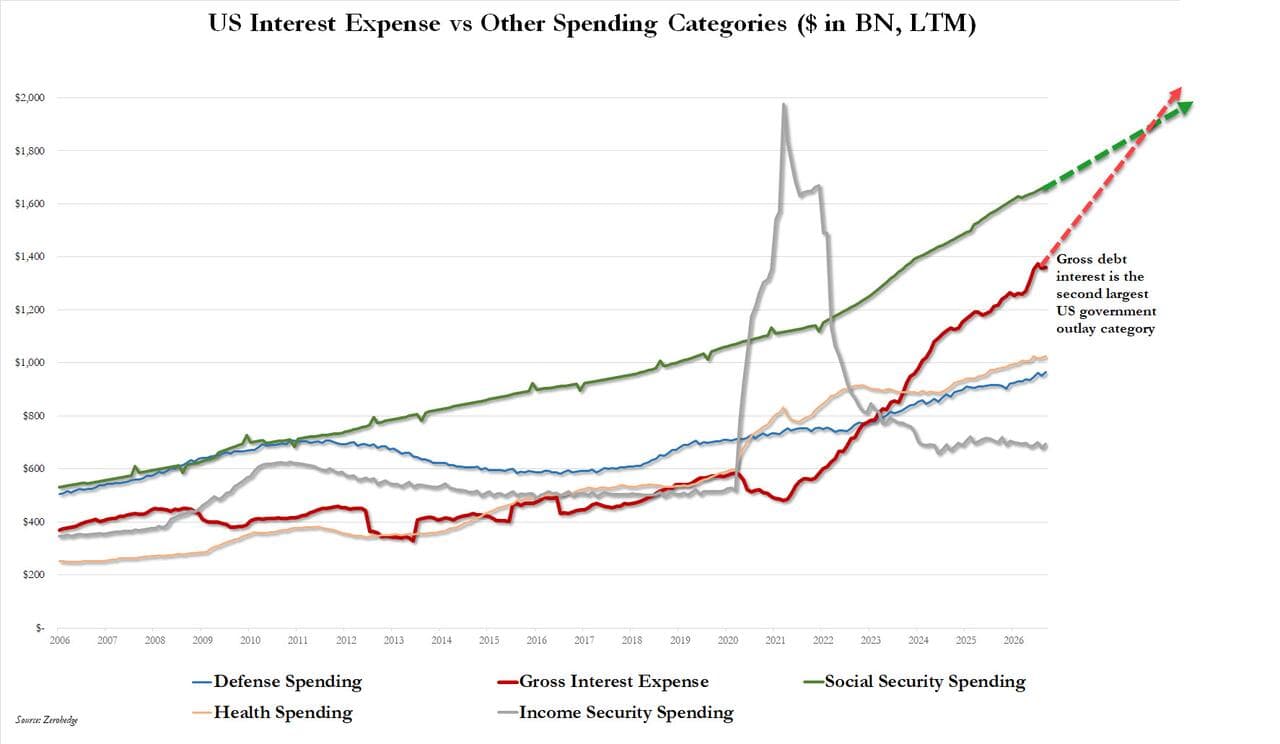
As of 2026, the United States owes roughly $38.5 trillion, and it’s climbing about $8 billion per day. The net interest payments on the debt officially exceed our annual defense budget….

The Congressional Budget Office estimates current policy paths keep deficits near $2 trillion annually and push debt to about 120% of GDP within a decade

Here’s the translation. Even if the economy hums at an insane rate of GDP growth, the government is still spending dramatically more than it collects. Why is it that nobody really understands revenue and expenses in Washington, D.C., and that 85% of our revenue comes from the two buckets of personal income tax and payroll tax?

The Real Problem Isn’t Taxes or Tariffs….

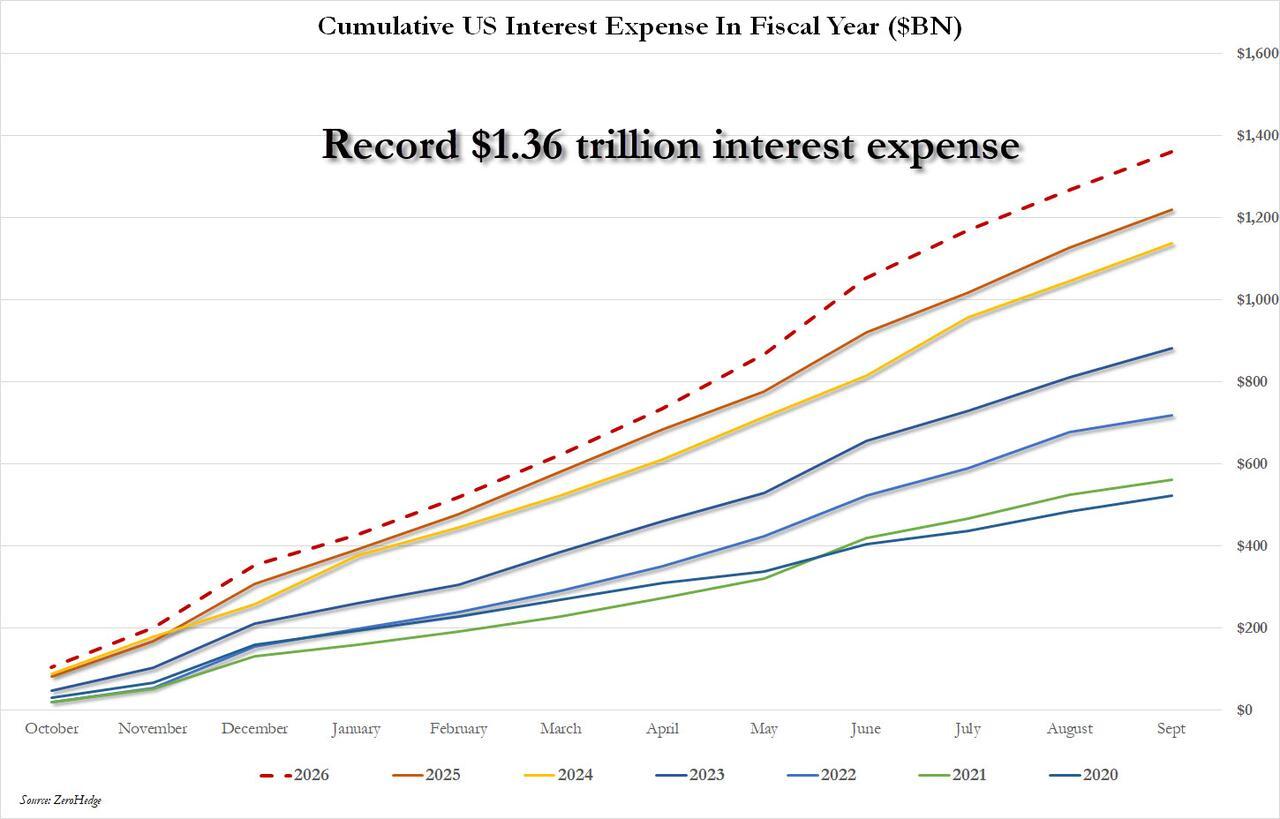
It’s interest. Lots and lots of interest. Interest on the debt alone is projected to exceed $1 trillion in 2026 and now roughly 14% of federal spending….. 

It’s like playing credit card roulette and the interest just keeps compounding with no end in sight. No State of the Union message Republican or Democrat can outgrow a compounding interest bill this large.

Politicians Don’t Like To Campaign On Math
Last fiscal year:
Government spent: $7.01 trillion
Government collected: $5.23 trillion
Annual deficit: $1.78 trillion

To erase the deficit overnight, you would need one of the following:

  • Raise taxes roughly 35% (think about top tax rates going from 37% to 50%) and remember almost half the people in America don’t pay federal taxes whatsoever.
  • Cut benefits massively, which really means one of the big three: Medicare, Social Security or Defense.
  • Or grow the economy at wartime levels for a decade.

Do any of those sound realistic to you?…

The Real State Of The Union

The federal debt isn’t going to be eliminated.

It will be inflated away, written off, monetized, or slowly eroded by negative real interest rates because, mathematically, a $38.5 trillion balance sheet cannot be balanced with incremental policy tweaks. The U.S. doesn’t default. It dilutes.

Presidents don’t control the deficit anymore. Trump can change tax policy. He already did it. Congress can try to change spending. But they rarely agree. But reality is reality…

Unless America changes expectations or sacrifices are made on both sides of the aisle, the debt clock keeps running no matter whose name is on the Oval Office door. The debate in Washington is ideological. The risk to all of us is our standing to wear the crown of being the world’s currency.

________________________________________

Main Street America Republicans present the most powerful economic acceleration plan in the world: The Leviticus 25 Plan.

  • Immediate $37.303 billion federal budget surpluses annually 2027-2031; self-financed over the succeeding 10-15 years.
  • Immediate, massive budget gains for state and local governments;
  • Immediate, massive debt elimination and restored financial security for millions of hard-working, tax-paying American families;
  • Lower interest rates across the curve, credit market stability;
  • Citizen-centered health care;
  • Revitalized, long-term economic growth.

The Leviticus 25 Plan is a dynamic economic initiative providing direct liquidity benefits for American families, while at the same time scaling back the role of government in managing and controlling the affairs of citizens.  It is a comprehensive plan with long-term economic and social benefits for citizens and government.

The inspiration for this plan is based upon Biblical principles set forth in the Book of Leviticus, principles tendering direct economic liberties to the people.

The Leviticus 25 Plan – An Economic Acceleration Plan for America

$95,000 per U.S. citizen – Leviticus 25 Plan 2027 (46765 downloads )

A Major Quality of Life Upgrade for the United States: The Leviticus 25 Plan 2027

America is long overdue for a comprehensive ‘quality of life’ upgrade – one that starts with restoring economic liberty and securing financial health for families all across our land. A primary benefit of this plan must be to ‘de-stress’ American families and allow parents more quality time with their children, restored financial security, and a more manageable pace of life.

America needs a tour de force plan with the creative power to generate massive new tax revenue flows, reduce government expenditures, and eliminate government deficits – a plan that will set America, and the U.S. Dollar, on a path of long-term financial stability.

America’s upgrade must relight the fires of free market, citizen-driven economics and activate a citizen-centered health care system.

This plan must have the raw power to eliminate massive tracts of debt across all sectors of the economy, thereby allowing Federal Reserve ‘rate normalization’ measures, long-term net interest margin benefits for banks, insurers, pension funds.

There is one plan in America with the creative power to deliver these benefits.

The Leviticus 25 Plan is a dynamic economic initiative providing direct liquidity benefits for American families, while at the same time scaling back the role of government in managing and controlling the affairs of citizens.  It is a comprehensive plan with long-term economic and social benefits for citizens and government.

The inspiration for this plan is based upon Biblical principles set forth in the Book of Leviticus, principles tendering direct economic liberties to the people.

The Leviticus 25 Plan – An Economic Acceleration Plan for America

$95,000 per U.S. citizenLeviticus 25 Plan 2027 (46534 downloads )

.

The inspiration for this plan is based upon Biblical principles set forth in the Book of Leviticus, principles tendering direct economic liberties to the people.

The Leviticus 25 Plan – An Economic Acceleration Plan for America

$95,000 per U.S. citizenLeviticus 25 Plan 2027 (46534 downloads )

2026: Health Care Costs Top the List for Affordability Concerns…

Solution: The U.S. Health Care Freedom Plan – Loaded up and ready to launch.

…………………………………………………..

KFF Health Tracking Poll: Health Care Costs, Expiring ACA Tax Credits, and the 2026 Midterms

Authors: Shannon Schumacher, Audrey Kearney, Mardet Mulugeta, Isabelle Valdes, Ashley Kirzinger, and Liz Hamel

Published: Jan 29, 2026

The latest KFF Health Tracking Poll finds health care costs top the list of what the public worries about being able to afford for themselves and their family. Two-thirds (66%) of the public say they worry about paying for health care, including the cost of health insurance and out-of-pocket costs for things like office visits and prescription drugs, ranking higher as a financial worry than other household expenses like utilities, food, and rent or mortgage – all three items on which a majority of Americans are still worried about being able to afford. 

About a third of adults (32%) say they are “very worried” about affording health care expenses, while about a quarter of adults say the same about being able to afford food and groceries (24%), their rent or mortgage (23%), or utilities (22%). About a fifth of adults say they are “very worried” about affording gas and transportation costs (17%).

This comes as recent reports show that health care costs are on the rise for most Americans and the Affordable Care Act (ACA) enhanced tax credits, which benefitted most people who purchased insurance through the marketplace, have expired.

________________________________________________

America’s ‘one and only’ comprehensive decentralizing health care plan...

The U.S. Health Care Freedom Plan, an integral component of The Leviticus 25 Plan, will restore citizen-centered health care and summarily reduce ‘annual expenditure for health insurance’ by eliminating bureaucratic bloat, unfriendly and complicated medical access pathways, cumbersome, drawn-out claims processing, and rapidly shrinking reimbursements for physicians, pharmacists, and other health practitioners.

The U.S. Health Care Freedom Plan offers a powerful new access strategy for patients receiving medical and pharmaceutical services, home medical equipment, and home care services.

The Plan grants citizens the freedom to pay directly, in person, for their week-to-week health care purchases. It cuts out layers of bureaucracy and middlemen … simplifies access to health care and restores genuine ‘patient-provider’ relationships.

The U.S. Health Care Freedom Plan is the only comprehensive, citizen-centered health care plan in America.  It ‘resets’ the health care industry to present a clean, efficient and responsible system.  Most importantly, this plan restores individual citizen-centered health care for all participating Americans.

The U.S. Health Care Freedom Plan is available to each and every U.S. citizen – with no coverage mandates. Each U.S. citizen who wishes to participate will be granted a full and complete exemption from the ACA.

Each participating U.S. citizen shall receive a credit extension, through a special Federal Reserve / U.S. Treasury Citizens Credit Facility of $35,000, electronically deposited into a Medical Savings Account (MSA) – for direct allocation toward family health care needs.

Private insurance – Families shall be allowed to enroll in high-deductible major medical plans, that include basic, ‘no frills’ medical plans which best suit their individual needs and desires. These streamlined plans would lower premium costs for employees and employers, encouraging employers to cost-share savings with employees through incentive-based employer MSA contributions.

Those with extraordinary medical issues may be included in a high-risk category, with such plans being eligible for a government subsidy (similar to current Medicare Advantage).

Federal / state programs – Individuals enrolled in Medicare / Medicaid / VA / TRICARE / FEHB programs would maintain their covered status, with an annual deductible of $7,000 per year per enrolled family member, for a period of five years for those benefits. The dedicated MSA funds would fully fund the offset for the higher ($7,000) deductible feature for that five-year period. MSA funds could also be used to pay Medicare supplement premiums and other potential co-pay obligations.

Where health care services paid by patients directly with MSA funds, providers would not be bound by federal / state rules pertaining to Electronic Medical Records (EMRs), and other unnecessary administrative burdens.

………………………………….

The Leviticus 25 Plan activation period is slated for the 5-year period beginning in 2027 and ending in 2031.

The Leviticus 25 Plan – Each participating U.S. citizen will receive a $60,000 deposit into a Family Account (FA) and a $35,000 deposit into a Medical Savings Account (MSA).

Qualification: All U.S. citizens residing in the United States are eligible to participate, contingent upon meeting qualification standards and agreement to specified recapture provisions. Participants (other than ‘custody account’ applicants) must prove stable credit history, stable job history, no recent drug/felony convictions.

These general recapture provisions include:

  • Waiving all federal income tax refunds for a period of 5 years.
  • Waiving benefits from income security programs, select benefits from means-tested welfare programs, SSI, and SSDI for a period of 5 years.
  • Enrollees in the Medicare, Medicaid, VA Healthcare system, Federal Employees Health Benefits (FEHB), and TRICARE will be subject to a $7,000 deductible for primary care and outpatient services annually for a period of 5 years. (See full plan for more details)

The Leviticus 25 Plan generates $37.303 billion federal budget surpluses annually during each of its first five years of activation (2027-2031), and pays for itself entirely over a 10-15 year period.

………………………………….

The Leviticus 25 Plan is a dynamic economic initiative providing direct liquidity benefits for American families, while at the same time scaling back the role of government in managing and controlling the affairs of citizens.  It is a comprehensive plan with long-term economic and social benefits for citizens and government.

The inspiration for this plan is based upon Biblical principles set forth in the Book of Leviticus, principles tendering direct economic liberties to the people.

The Leviticus 25 Plan – An Economic Acceleration Plan for America

$95,000 per U.S. citizen – Leviticus 25 Plan 2027 (46534 downloads )

The “Grinding Down” of the American Middle Class – and A Powerhouse Plan to “Rebalance the Scales”…

A look back…

The 2008-2010 great financial crisis was precipitated by major Wall Street financial institutions, both foreign and domestic, that became engrossed with sewage-grade subprime mortgage paper, fell below their capital requirements, and triggered the credit market collapse.

The very same ‘too big to fail banks’ then received trillions of bailout dollars in direct liquidity transfers and credit guarantees through the Fed’s “Secret Liquidity Lifelines” … to magnanimously restore them to a state of ‘financial health.

During this same crisis, precipitated by the likes Morgan Stanley, Goldman Sachs, AIG, Citigroup, Bank of America, Merrill Lynch, JP Morgan, Wells Fargo… and foreign-based RBS, Barclays, UBS AG, Deutsche Bank, BNP Paribas, Dexia SA, 12 million Americans lost jobs.

And then, at the very time they were receiving their massive bailout packages, the big mortgage service institutions turned around and foreclosed on ~8.4 million homes. Small businesses crashed.

And now, the great American middle class is getting crushed by inflation, the affordability crisis, record high Household Debt, and stagnant economic growth.

The good news is — there is a dynamic economic plan to rebalance the scales and get America back on track… Loaded up and ready to launch.

………………………………….

Grinding The American Middle Class To Dust

ZeroHedge, Feb 21, 2026 – Authored by MN Gordon via EconomicPrism.com,

Excerpts:

The housing market, for much of the 20th century, was the bedrock of the American Dream. Home ownership, and the financial stability it represents, was a sure path to middle-class prosperity.

That dream turned to a nightmare for many American families during the epic real estate bubble and subsequent bust in 2008-09. What’s more, in the near two decades that followed, federal monetary policies coupled with restrictive local development standards have huffed and puffed an even more perilous bubble than the last one….

We’ve reached the point where discretionary income, the money left over after you’ve paid for basic needs, has effectively vanished for much of the population. When 67 percent of Americans are living paycheck to paycheck, saving for a down payment is impossible.

Currently, about 72 percent of Americans are struggling to pay their monthly bills. We aren’t talking about luxury vacations or even unexpected medical expenses. We’re talking about keeping the lights on and the fridge full. When the buffer is gone, the entire economic engine stalls.

The lack of affordable housing has created a generational rift. Young workers find themselves trapped in a permanent renter class. They’re unable to build the equity that once anchored the nation’s middle class.Right now, more than 75 percent of homes across the country are unaffordable for the typical household. Most Americans are effectively priced out of the housing market. And this number is climbing…

Between higher interest rates, relative to four years ago, and artificially inflated valuations, the entry-level home no longer exists….

The middle class, specifically the segment that has historically held the most private property, is under attack. By squeezing the life out of the housing market, wealth is being funneled upward. When families lose their homes to foreclosure, they don’t just lose a roof, they lose their primary vehicle for intergenerational wealth.

The result is a civilization of serfs. We’re rapidly transitioning to a rentership society. If you don’t own property, you don’t have a stake in the future. You’re left out in the cold.

In 2008, the crash was about bad paper and subprime loans. Today, the crisis is about affordability and insolvency. House price inflation in the face of stagnating wages has become too much to overcome.

Moreover, as houses are lost en masse to the banks they aren’t being foreclosed on and put back on the market at a lower price. They’re being sold in bulk to hedge funds, who promptly jack up the rents. What this means is your neighborhood could soon be owned by a corporation that doesn’t have a face, let alone a soul.

The real estate market isn’t just cooling off. It’s being hollowed out. Between the loss of discretionary income, the instability of the job market, and the sheer impossibility of the two-income mortgage, the American middle class is standing on a trap door….

Grinding the American Middle Class to Dust

For decades, the home was a forced savings account that allowed a mechanic or a teacher to retire with dignity. Today, that vehicle has been hijacked by institutional capital.

As the supply of affordable homes dwindles, we see the rise of the build-to-rent trend. This is where entire subdivisions are constructed not for families to buy, but for corporations to lease back to them in perpetuity.

This shift marks the transition from a stakeholder society to a subscription society consistent with the WEF diktat of, “you will own nothing and be happy.” Housing, the most basic of human needs, has become a subscription service.

Thus, the ability to accumulate private wealth through long-term home ownership has disappeared. As a renter, you are no longer building equity and wealth, you are funding a hedge fund’s quarterly dividends.

This exploitive model ensures that the fruits of one’s labor are siphoned away from the community and into the coffers of distant shareholders. As a result, the working class are left with nothing but receipts and a sense of perpetual instability. The economic ladder has been replaced by a treadmill to nowhere.

In addition, a society of renters is a society of transients that lack the long-term community ties that homeownership once encouraged. As the trap door swings open, the fall both destroys people’s finances and shatters the very concept of the neighborhood.

The doors are closing on the era of American middle-class independence. The dream of home ownership is being replaced by the reality of permanent debt, and the bedrock of the American middle class is ground into dust.

________________________________________

The Leviticus 25 Plan will accomplish five of America’s most critical national economic/social priorities:

  • Massive debt elimination and the renewed financial security for millions American families;
  • Breaking the vicious ‘cycle of dependence’ on federal and state social welfare subsistence programs — restoring hope and strengthening families;
  • Federal budget surpluses averaging $37.303 billion annually 2027-2031 … vs $2 trillion annual deficits — generating credit market stability, lower interest rates;
  • Citizen-centered, market-driven health care;
  • Robust, ‘non-debt driven,’ economic growth.

The Leviticus 25 Plan is a dynamic economic initiative providing direct liquidity benefits for American families, while at the same time scaling back the role of government in managing and controlling the affairs of citizens.  It is a comprehensive plan with long-term economic and social benefits for citizens and government.

The inspiration for this plan is based upon Biblical principles set forth in the Book of Leviticus, principles tendering direct economic liberties to the people.

The Leviticus 25 Plan – An Economic Acceleration Plan for America

$95,000 per U.S. citizen – Leviticus 25 Plan 2027 (46465 downloads )

Budget Deficits, Treasury Auctions, Fed Treasury Purchases – Monetary System Breaking Down.

America does not need Fed interest rate cuts. It does not need more government ‘stimulation programs,’ or meager tax cuts, or trivial spending reduction measures.

America needs massive public and private debt reduction, massive reductions in government social program spending, citizen-centered health care, economic liberty, and the restoration of free market dynamics.

……………………………………………………

Current Federal Debt and Deficit

Peter G. Peterson Foundation

 The federal government reported a deficit of $95 billion in the month of January FY26, a decrease of $34 billion from the $129 billion deficit recorded in January FY25. However, February 1 fell on a weekend in both FY25 and FY26, causing certain payments, mostly Medicare-related, to be shifted into January of both years. Those timing shifts inflated outlays for the past two Januarys. Adjusting for those timing shifts, the January FY26 deficit would have been $41 billion less than the same month in the previous year.

Four months through FY26, the deficit was $143 billion below last year’s level. However, the cumulative deficits of FY25 and FY26 have been affected by the aforementioned January 1 timing shifts. Without those effects, the cumulative deficit for FY26 would have been $152 billion less than last year’s adjusted total.

For FY26, total outlays were $2.5 trillion, $46 billion lower than the same period in the previous year. Adjusting for those timing shifts, spending was $37 billion below the same period last year. That increase was driven mainly by three categories: Social Security spending was up by $38 billion, stemming from cost-of-living adjustments and some retroactive payments; Medicare outlays increased by $28 billion (adjusted for timing shifts); and net interest rose by $24 billion

……………………………………

US Government Sold $701 Billion of Treasury Securities this Week. As Deficits Balloon, Bond Math Is Relentlessly Brutal

by Wolf Richter • Feb 14, 2026 – Excerpt:

The US government sold $701 billion of Treasury securities this week, spread over nine auctions, including 10-year Treasury notes and 30-year Treasury bonds.

[U.S. Department of Treasury] Sold $54B of 10-Year Treasury notes at 4.18% to replace $25B of maturing 1.73% 10-year notes, pushing up amount outstanding by $29B.

…………………………………….

$11T Funding Crisis: Fed Trapped as Treasury Ponzi Fails (Your Money at Risk)

ITM Trading, Feb 10, 2026 – Excerpts:

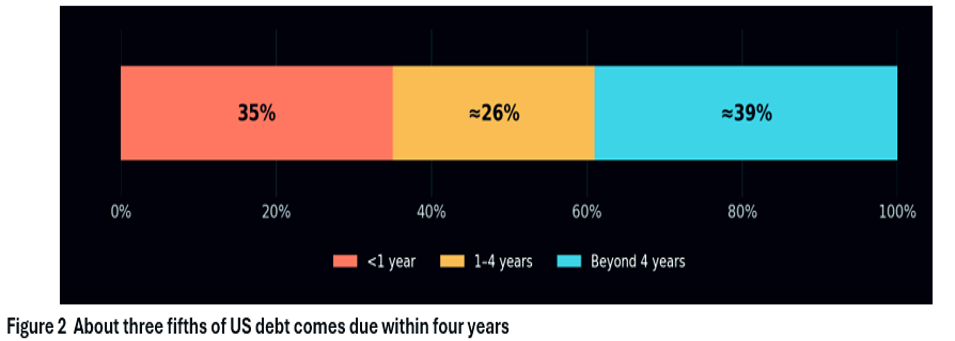
Eight weeks. $90 billion in [Fed] Treasury bill purchases. And that’s just the appetizer. There’s $9 trillion in rollovers coming due at today’s rates, plus another $2 trillion in new issuance. That’s $11 trillion the US needs to find buyers for while China dumps Treasuries and Japanese capital flows home.

Taylor Kenney connects the dots: the Fed isn’t providing “technical support.” It’s gearing up for the largest monetization cycle in history, starting from a balance sheet that’s already 7x its pre-2008 level…

……………………………………..

Doug Casey, Feb 17, 2026Excerpt:

During the Covid hysteria, the Fed was creating $120 billion out of thin air each month—far larger than the $40 billion per month during QE3, which itself was larger than the monthly pace during QE1 and QE2.

That’s why I expect the coming QE—or whatever they decide to call it—will be significantly bigger than the $120 billion per month they injected into the economy during the Covid scam.

And if gold is already hitting record highs, imagine what happens when the Fed unleashes even more currency debasement than the last rounds of “stimulus.”

Here’s the reality: the monetary system is breaking down—and the people who run it know exactly how to use that breakdown to tighten their grip.

Their endgame is a digital system that can track, limit, and ultimately control every transaction. And anyone who isn’t prepared risks losing far more than purchasing power.

____________________________________

The Leviticus 25 Plan – The most powerful economic acceleration plan in the world::
* $37.303 billion federal budget surpluses annually 2027-2031;
* Massive elimination of household debt (mortgage, consumer, student loan, credit card, auto loan debt);
* Citizen-centered health care, driven by direct consumer spending for primary health care services – widespread of reductions in bureaucratic costs, middleman expenditures, claims processing;
* Powerful, dynamic economic growth;
* Long-term financial security for millions of American families;

The Leviticus 25 Plan – An Economic Acceleration Plan for America

$95,000 per U.S. citizen – Leviticus 25 Plan 2027 (45984 downloads )

Interest Costs on National Debt on Track to Burn Up U.S. Budget

America’s one and only interest cost ‘fire extinguisher’: The Leviticus 25 Plan

…………………………………..

Interest Costs on the National Debt Are Reaching All-Time Highs

Peter G. Peterson Foundation, Feb 13, 2026

Excerpts:

The most recent projections from the Congressional Budget Office (CBO) confirm once again that America’s fiscal outlook is on an unsustainable path — increasingly driven by higher interest costs. Growing debt, in addition to the rise in interest rates over the past couple of years, has significantly increased the cost of federal borrowing. In 2025, interest costs on the national debt totaled $970 billion — surpassing most other components of the federal budget.

CBO projects that interest costs in 2026 will reach a new milestone and total $1.0 trillion — a 7 percent increase from the year before, but following increases of 10 and 34 percent in each of the two years before that. This year’s high interest bill is part of a trend that stretches out into the future, as debt continues to climb and relatively high interest rates push up the cost of federal borrowing. Over the next decade, the U.S. government’s interest payments on the national debt are now projected to total $16.2 trillion — the highest dollar amount for interest in any historical 10-year period and nearly double the total spent over the past two decades after adjusting for inflation…

Mounting interest costs put tremendous pressure on the federal budget, making it more difficult and costly to address pressing challenges and invest for the future. In fact, under CBO’s current Budget and Economic Outlook, net interest costs will exceed Medicare spending through the upcoming decade. Rising interest costs also contribute to a vicious cycle of higher debt and additional interest costs.

Another way to contextualize the growth in interest costs: this year, the Treasury will pay $2.8 billion per day, on average, for interest. And unless we change course, that will rise to $5.9 billion per day in 2036.

Any number in the trillions can be hard to grasp. Here are some ways to consider what $16.2 trillion in interest means for America.

$16.2 trillion is:

  • Approximately $47,000 per person.
  • Approximately three times what the government spent on net interest between 2006 and 2025.
  • Approximately three times Social Security’s cumulative cash deficits in the next 10 years.
  • Approximately five times the cost of the 403 U.S. weather and climate disasters where overall damages each reached or exceeded $1 billion since 1980 (adjusted for inflation).
  • More than 25 times the need of America’s 20-year, $625 billion drinking water infrastructure.

By any measure, interest costs as part of the federal budget are at an all-time high, and trending even higher in the years ahead.  Securing the nation’s fiscal and economic future will mean getting those interest costs under control, which will help relieve pressure within the budget, allow investments in priorities for the country’s future, respond to emergencies, and help ensure a vibrant and inclusive economy for the nation.

_________________________________

The Leviticus 25 Plan economic benefits:
• Massive reduction in state, federal government outlays;
• Federal budget surpluses of $37.303 billion annually 2027-2031;
• Massive reduction in federal interest expense budget item;
• Pay for itself entirely over the succeeding 10-15 years;
• Vastly improved credit market liquidity, U.S. Dollar strength/stability;
• Free market dynamics, powerful, long-term economic growth: 3-4%;
• Restored financial health and reduced taxes for millions of American families.

The Leviticus 25 Plan is a dynamic economic initiative providing direct liquidity benefits for American families, while at the same time scaling back the role of government in managing and controlling the affairs of citizens.  It is a comprehensive plan with long-term economic and social benefits for citizens and government.

The inspiration for this plan is based upon Biblical principles set forth in the Book of Leviticus, principles tendering direct economic liberties to the people.

The Leviticus 25 Plan – An Economic Acceleration Plan for America

$95,000 per U.S. citizen – Leviticus 25 Plan 2027 (45767 downloads )

The Hill: Young Americans Say Economy Most Pressing Concern

A ‘pressing concern’… and a ‘powerful solution’… loaded up and ready to launch.

………………………….

Young Americans more likely to say economy is most pressing concern: Gallup

by Tara Suter. The Hill – 02/04/26

Younger Americans were more likely to say the economy was the country’s most pressing concern last year, according to a new survey.

In the Gallup poll, 32 percent of Americans aged 15 to 34 said that economic issues were “the most important problem” the U.S. “is facing currently,” while 21 percent of Americans aged 35 to 54 said that economic issues were the most important problem. Thirteen percent of Americans aged 55 and older said the same about economic issues.

“Concern about economic issues is present across all generations, but younger adults express the most concern,” Gallup said in an article featuring the survey.

Affordability has come into focus as a key electoral issue with the 2026 midterm elections approaching. President Trump has faced criticism over the issue from Democrats in recent months, who are looking to take back the House and possibly the Senate.

U.S. private-sector employment went up by 22,000 jobs last month, according to a report from the payroll management company ADP.

ADP said in its National Employment Report that January was “a lackluster month for hiring,” but the company also noted that the health care sector “was a standout.”

Another survey from last month found that close to 60 percent of Americans had a negative view of the economy under Trump. In that Wall Street Journal poll, 57 percent said the strength of the economy was “not so good” or “poor.”

The Gallup survey took place from June 14 to June 16, 2025. It polled 1,000 people and has a margin of error of 4.4 percentage points.

___________________________________

Solution: The most powerful economic acceleration plan in the world.

The Leviticus 25 Plan will grant individual U.S. citizens the same direct Federal Reserve liquidity extensions that were provided to major U.S. and foreign banks during the 2007-2010 great financial crisis and again during the 2021-2022 Covid crisis.

Each qualifying U.S. citizen wishing to participate will receive a $60,000 deposit into a designated Family Account (FA) and $35,000 into a designated Medical Savings Account (MSA) via a Fed/U.S. Treasury Citizens Credit Facility.

Benefits – The Leviticus 25 Plan will:
* Provide direct liquidity extensions to U.S. citizen families residing in the United States.
* Optimize the allocation of primary health-care services funding, including Medicare and Medicaid.
* Improve the economic climate for U.S. small businesses; vastly expand employment opportunities; eliminate massive amounts of public and private debt; restore financial health across the nation for all American families.
* Generate dynamic, long-term, tax revenue growth cycles for government (federal, state, local).
* Reduce the cost of government, strengthen U.S. housing market, and stabilize the banking system.
* Reduce the scope of social programs, reduce government control over the daily affairs of U.S. citizens.
* Generate $37.303 billion budget surpluses each of its first five years of activation, pay for itself entirely over a 10-15 year period, and set the U.S. Dollar on course for long-term strength and stability.

The Leviticus 25 Plan will revitalize economic growth and re-establish free market principles with positive economic and social incentives for millions of American families.

The Leviticus 25 Plan – An Economic Acceleration Plan for America

$95,000 per U.S. citizen – Leviticus 25 Plan 2027 (45767 downloads )